Water Resistant vs Water-Resistant Outdoor Tents Fabrics: What Every Camper Demands to Know
You've spent weeks preparing the best camping trip. You have actually mapped the routes, packed the treats, and chose the suitable place. Then the sky opens-- and your outdoor tents starts letting in water. Whether that calamity occurs typically comes down to one essential choice you might have neglected when buying your outdoor tents: the distinction between waterproof and waterproof textiles.
These two terms are usually utilized mutually in advertising and marketing, yet they are not the same thing. Understanding the difference can indicate the distinction in between a soaked evening and a dry, comfortable rest under the celebrities.
What Does Waterproof Mean?
Water-resistant textiles are dealt with to reduce the infiltration of water, yet they are not made to quit it completely. Most outdoors tents attain this with a DWR finish-- short for Sturdy Water Repellent. This chemical treatment causes water to grain up and roll off the surface as opposed to soaking through right away.
Think about it like a raincoat that works perfectly in a light drizzle yet eventually soaks through during a hefty downpour. A waterproof tent can manage morning dew, light rainfall, and brief showers uncreative. However, in continual or heavy rainfall, water will eventually discover its way inside.
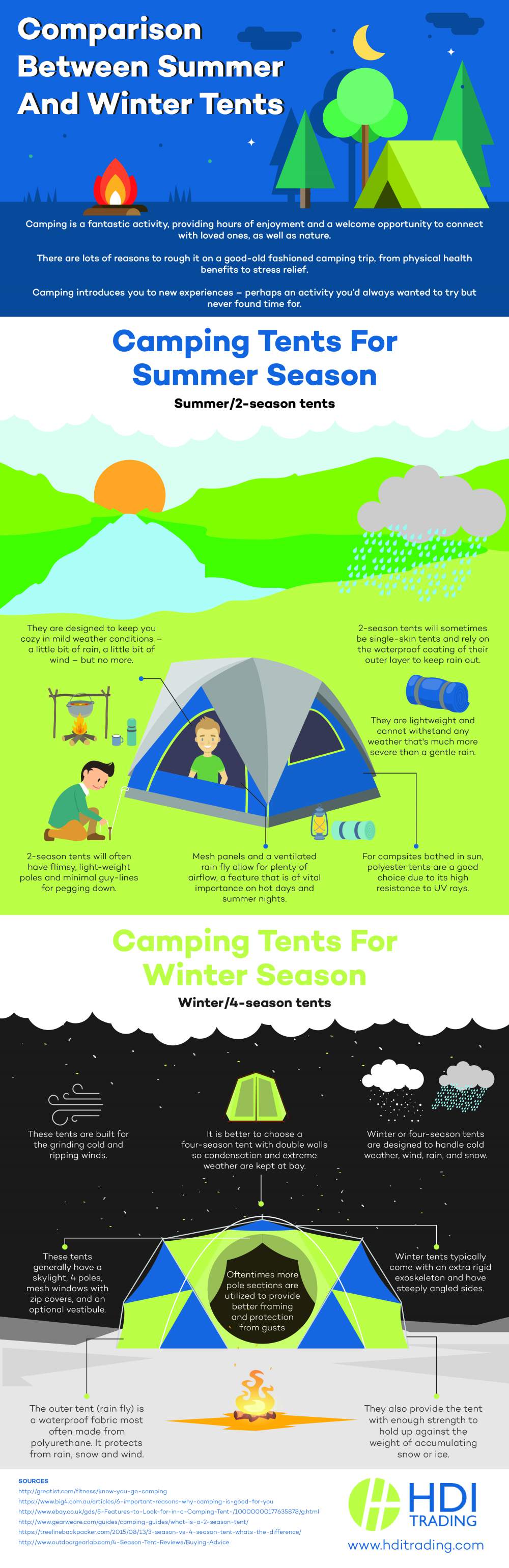
Waterproof outdoors tents have a tendency to be lighter, more breathable, and more economical. They are a practical option for fair-weather camping, brief weekend break trips, or periods where rainfall is unlikely. If you mostly camp in completely dry climates or summer months, a waterproof outdoor tents might serve you well.
What Does Waterproof Mean?
A water resistant outdoor tents is built to keep water out under far more requiring problems. Instead of depending only on a surface covering, water resistant outdoors tents use materials with a polyurethane or silicone laminate-- a layer bound straight to the product that protects against water from passing through whatsoever.
Recognizing Hydrostatic Head Ratings
The essential dimension for water-proof fabrics is the hydrostatic head score, revealed in millimeters. This number informs you how much water pressure the textile can hold up against prior to it leaks. A rating of 1,500 mm is considered the minimum for a camping tent to be called water-proof, while most high quality camping outdoors tents fall in the 2,000 mm to 3,000 mm range. Expedition-grade camping tents created for towering problems usually go beyond 5,000 mm.
To place that in sensible terms, a 2,000 mm rating implies the material can hold a column of water two meters high prior to any kind of infiltration takes place. For most campers handling rain and wind, a score between 2,000 mm and 3,000 mm is more than sufficient.
Joint Sealing and Taped Seams
Even the most water resistant fabric has a powerlessness: the seams. Every stitch creates a series of tiny holes, and water will find them. Really water resistant outdoors tents resolve this with seam securing-- either factory-applied tape that bonds over the sewing, or a liquid sealer applied by hand. If an outdoor tents advertises water resistant textile but does not point out covered joints, it will likely leakage at the sewing lines during heavy rainfall.
Which One Do You Actually Need?
The right option depends totally on how and where you camp.
Choose Water-Resistant If:
You camp mostly in summer season or dry environments, you take primarily brief over night trips near to your vehicle, weight is a leading priority for you, and you are working within a tighter budget plan. Waterproof outdoors tents are also fine for usage with a top quality rainfly, which adds an additional layer of security over the tent body.
Pick Waterproof If:
You camp in regions with uncertain weather condition, you go on multi-day backpacking journeys where you can not run away the rainfall, you camp in springtime or fall when storms are more probable, or you merely desire satisfaction without regularly examining the forecast. For family members 4 people tent camping trips where keeping every person completely dry is non-negotiable, water resistant is always the smarter financial investment.
Keeping Your Tent's Water Defense
Neither waterproof neither waterproof fabrics last for life without some treatment. DWR layers wear off in time and with repeated cleaning. You can recover them with spray-on or wash-in DWR products readily available at most outside merchants. Polyurethane coverings can likewise break down, specifically when camping tents are stored moist or in warm conditions. Constantly dry your outdoor tents thoroughly prior to packing it away.
All-time Low Line
Water resistant and water-resistant are not just marketing buzzwords-- they reflect genuine differences in material construction, efficiency, and suitable usage. Prior to your next camping tent purchase, check the hydrostatic head rating, confirm whether the joints are secured, and assume honestly regarding the problems you camp in most. A few mins of research now can save you from a very wet and unpleasant night later on.